Fitness Equipment for Senior Living Communities: What to Buy
We may earn a commission when you buy through links on this page. How that works
The short answer
The machine most senior living fitness rooms are built around is a recumbent cross trainer with a swivel seat, such as the NuStep. Add a recumbent bike, an arm and leg pedaler for residents who stay in their wheelchairs, and strength machines with low starting weights.
Before buying, check that the warranty covers commercial or institutional use. Most home machines' warranties don't, even in a small community.
 The core machineNuStep T4r Recumbent Cross TrainerThe first machine for any senior living fitness room
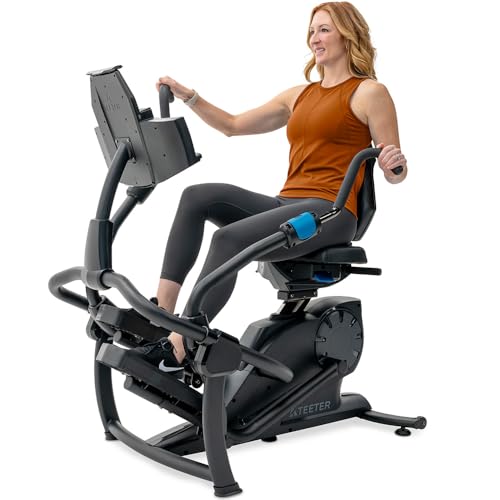 Lower-cost cross trainerTeeter FreeStep Recumbent Cross Trainer (350 lb)Small communities on a budget, for residents who can step in from the front
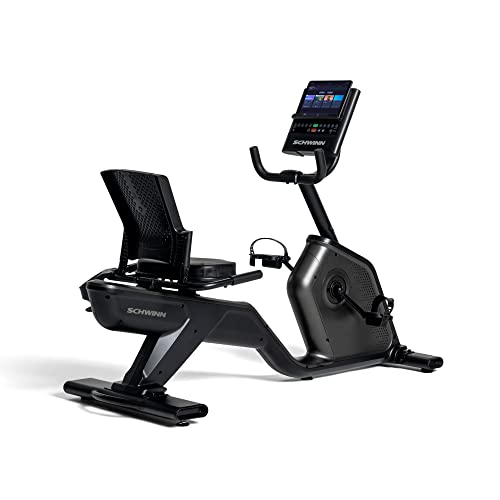 Recumbent bikeSchwinn 290 Recumbent BikeAn easy-to-learn second machine for leg strength and endurance
A good fitness room keeps residents stronger, steadier on their feet and more independent, and families notice it on a tour. But equipment that works in a commercial gym often doesn't work for residents in their 70s, 80s and 90s. Machines need to be easy to get on and off, start at very low resistance, and stand up to daily use by many people. This guide is for directors, activity and wellness coordinators, and families helping a small community choose equipment.
The machines residents actually use
1. Recumbent cross trainer (the core machine)
A seated machine where residents push with their legs and pull with their arms at the same time. It's low-impact, needs no balance, and suits almost every fitness level. Look for a swivel seat so residents can sit down from the side, and leg stabilizers for residents with one weaker side. The NuStep is the best-known brand in senior living, and SciFit and Biostep make similar machines. If you buy only one machine, buy this one.
2. Recumbent bike
A bike with a full back rest and a step-through frame. It's familiar, easy to learn, and good for residents working on leg strength and endurance. Choose one with a low step-through and a seat that adjusts without tools.
3. Arm and leg pedal exerciser
A small pedaler that sits on a table or the floor. It lets residents in wheelchairs exercise without transferring, and it's easy to bring to a resident's room or a group class.
4. Strength equipment with low starting weights
Leg strength is closely tied to balance and independence. Senior-focused strength machines, such as HUR's air-resistance leg presses, start at very low resistance and change in small steps. For small budgets, resistance bands, light dumbbells and a sturdy chair cover a lot of the same work in group classes.
5. Balance and walking support
A parallel bar or wall rail for supported balance exercises, and a treadmill only if it has full-length handrails, a very low starting speed and an emergency stop clip. Many communities skip treadmills entirely because of fall risk.
Machines you can buy online
Large communities usually buy from commercial dealers, who handle delivery, installation and service contracts. For smaller communities, independent living buildings and adult day centers, these are good machines available online. Read the warranty section below before ordering any of them for shared use.
The core machine
NuStep T4r Recumbent Cross Trainer
Best for: The first machine for any senior living fitness room
- 360-degree swivel seat for side entry
- 400 lb user capacity
- 10 resistance levels; arm and leg positions adjust quickly between users
- Grab ring and stable pedals for support
Check the current price and any coupon on Amazon.
The T4r is the NuStep found in many senior centers and rehab clinics. Residents sit from the side and swivel in, so even people who can't step over a frame can use it. The total-body motion suits a wide range of abilities, from residents in rehab to active walkers. Ask NuStep or a dealer about the warranty terms for community use before buying, and consider their higher-end models (T5 and T6) for very heavy daily use.
Pros
- Swivel seat for safe access
- Built for many users a day
Cons
- Expensive
- Large and heavy
Lower-cost cross trainer
Teeter FreeStep Recumbent Cross Trainer (350 lb)
Best for: Small communities on a budget, for residents who can step in from the front
- Seated stepping motion for arms and legs
- Listed for users up to 350 lb
- Smooth magnetic resistance
- No power cord needed
Prices change often. Amazon shows today's price, delivery date and reviews.
A FreeStep costs far less than a NuStep and gives a similar seated, full-body workout. It has no swivel seat, so it suits residents who can step in from the front. It's a home machine, so check how Teeter's warranty treats shared or community use.
Pros
- Much lower price than clinical machines
- Smooth and joint-friendly
Cons
- No swivel seat
- Home-use warranty
Recumbent bike
Schwinn 290 Recumbent Bike
Best for: An easy-to-learn second machine for leg strength and endurance
- Step-through recumbent frame with back rest
- Magnetic resistance and built-in programs
- Familiar bike motion residents learn quickly
On sale right now. See how much you save on Amazon.
A comfortable recumbent bike is a good second machine. Residents who find the cross trainer too busy often prefer a simple bike. The 290 is a home-grade bike, so it suits independent living or a small community room better than a busy clinic. See our guide to recumbent bikes for more options.
Pros
- Simple and familiar
- Comfortable seat
Cons
- Home-grade build
- No swivel seat
For wheelchair users and group classes

DeskCycle MagneTrainer-ER
Best for: Seated arm and leg exercise, in rooms or group classes
- Arm bike on a table or leg pedaler on the floor
- Smooth, quiet magnetic resistance
- Small and light enough to carry room to room
Check the current price and any coupon on Amazon.
Buy several. Pedalers make group chair classes possible, let residents exercise without transferring from a wheelchair, and can go to residents' rooms on bad days. Lock wheelchair brakes or use a non-slip mat so chairs don't roll.
Pros
- No transfer needed
- Low cost per resident
Cons
- Light workout compared with a full machine
Worth knowing about from commercial dealers
- NuStep T5 and T6 recumbent cross trainers, built for heavier commercial use than the T4r.
- SciFit StepOne recumbent stepper and SciFit upper-body ergometers, common in clinical and senior settings.
- HUR air-resistance strength machines, designed for older adults, with very low starting loads and small steps.
- Keiser pneumatic strength machines, also used widely in active-aging programs.
Commercial vs. home warranties
This is the mistake communities make most often. Most machines sold for homes have a residential warranty, which usually doesn't cover use in a facility, even a small one. If the machine breaks, you may be on your own for repairs. Before buying, check:
- whether the warranty covers commercial, institutional or "light commercial" use;
- how many hours a day the machine is rated for;
- whether a local technician can service it;
- how quickly replacement parts arrive.
Commercial machines cost more, but a machine that's broken for six weeks helps no one.
Accessibility and layout
The U.S. Access Board's guide to the 2010 ADA Standards requires at least one of each type of exercise machine to have a clear floor space of at least 30 by 48 inches beside it, so a wheelchair user can transfer or use it from the chair. Each of those machines must be on an accessible route. Clear spaces can overlap between machines. Check the current standards and local codes with your architect or compliance team.
Beyond the rules, residents benefit from:
- wide aisles, so walkers and wheelchairs can pass;
- chairs or benches near each machine for resting;
- good lighting, non-glare floors and clear signs with large print;
- wall rails along the room for support;
- a phone or call button in the room.
A starter list by budget
| Budget | What to buy |
|---|---|
| Small (a community room) | One seated cross trainer (FreeStep), a recumbent bike, 4 to 6 pedal exercisers, resistance bands and light dumbbells for classes |
| Medium | One NuStep or similar swivel-seat cross trainer, a second cross trainer or bike, pedal exercisers, and a support rail for balance work |
| Full fitness center | Two or more commercial cross trainers, a recumbent bike, an upper-body ergometer, senior-focused strength machines (leg press, chest press, row), a balance area, and a service contract |
Equipment only works with a program
Machines sit unused without someone to show residents how. Plan for staff training, a simple orientation for every new resident, short group classes, and a way to track who's using the room. Residents should check with their doctors before starting a new exercise program, especially those with heart conditions or recent surgery.
Common questions
What is the most popular exercise machine in senior living communities?
The recumbent cross trainer, especially the NuStep. It's seated, low-impact, works arms and legs together, and suits residents with a wide range of abilities.
Can a senior living community use home exercise equipment?
It can, but the warranty usually won't cover shared or commercial use. For more than light use by a few residents, commercial-rated machines with a service plan are the safer investment.
Should senior living fitness rooms have treadmills?
Only with care. If you include one, choose a model with full-length handrails, a very low starting speed and an emergency stop clip, and supervise use. Many communities rely on seated machines instead to reduce fall risk.
What leg machines are best for seniors?
Seated machines that start at very low resistance, such as air-resistance leg presses made for older adults, plus a recumbent cross trainer or bike for leg endurance. For small budgets, resistance bands and sit-to-stand exercises from a sturdy chair also build leg strength.
Related guides
Popular on Amazon: seated & under-desk ellipticals
More dealsBest-selling items in this category on Amazon. We haven't reviewed all of them, so check the size, weight limit and return policy.